

Seeing the reality behind the research made all the difference for Tarique
Why did you choose Bangladesh and your research topic?
“Bangladesh is the second largest producer of textiles in the world, so I became interested in understanding how sustainability is managed within such a large industry. It was a combination of my studies and my personal interests that led me there.”
Tarique had already completed much of the theoretical foundation for his thesis before departing, including the background chapter and literature review preparation. He first learned about the MFS opportunity through the university's learning platform Canvas and saw it as an excellent way to strengthen his future career opportunities.
“I thought that doing an MFS would be a great add-on to my career.”
First impressions and life in the field
Arriving in Dhaka was an intense experience. The city’s fast pace, crowded streets, and constant activity made a strong impression on him.
“Everything is rushed and stressed compared to Sweden. There was noise everywhere, and people often spoke at the same time. It took some time to adjust.”
At the same time, the experience gave him direct access to the realities behind the global textile industry. During his fieldwork, he visited factories and facilities, interviewed stakeholders, and observed working conditions firsthand.
What did a typical day look like during your field study?
“A typical day started with preparing for interviews and researching the companies and interviewees I was going to meet. Then I would travel to the facilities, conduct interviews and observations, and whenever possible, when there was an opportunity to meet the workers at the facilities, I would do that. Then, when I came back home, I had to organise and process all the data I had collected.”
One of the highlights of the trip was the opportunity to follow the entire chain connected to his research topic.
“I got the data and the whole chain I wanted to study. That would never have been possible without doing the field study on site.”
And besides the research itself, one thing stood out clearly:
“The food!”
Challenges and important lessons
Conducting field research abroad also came with challenges. Tarique arrived at the end of Ramadan, when many people were on vacation, making it difficult to schedule interviews. Transportation was another obstacle due to a temporary fuel shortage in Dhaka, and the city’s poor air quality meant he often relied on a face mask.
Still, he learned quickly that flexibility was essential.
“The most important thing I learned was to be flexible.” Speaking the local language helped him build relationships, even though most interviews were conducted in English.
Another challenge was keeping interviews focused.
“People wanted to share so much information, which was great, but it could also make it difficult to stay within the scope of the project.”
Despite these adjustments, he feels very satisfied with the outcome of the project.
“If I could do it again, I would probably stay a little longer, but otherwise I’m really happy with how it turned out.”
Discovering new perspectives
Meeting local stakeholders and seeing the industry from within changed Tarique’s perspective in several ways.
“Some stakeholders genuinely want to create change and improve conditions for workers, but they don’t always know how to do it. That was an eye-opener for me.”
He also saw examples of companies investing in workers’ wellbeing, including garment factories that offered daycare and education for employees’ children.
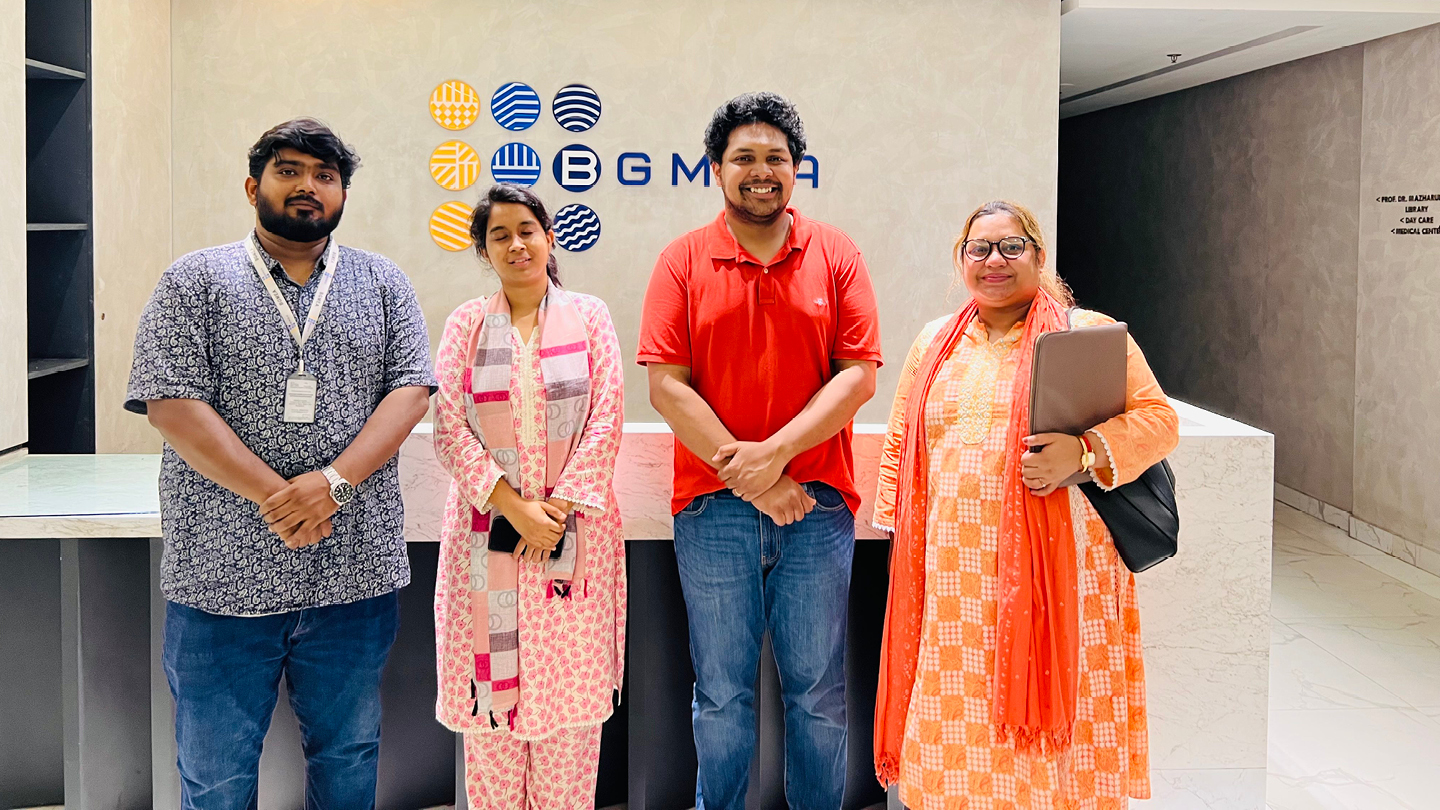
One especially meaningful connection was with a local contact close to his own age, who helped him connect with additional stakeholders in the right field.
“That support was incredibly valuable and appreciated.”
Professional growth and future impact
The field study gave Tarique practical insights that he believes will stay with him throughout his career.
“I learned how important systems and proper methods are. Applying the right structure can completely change conditions for many people.”
He also appreciated the support he received both from his local contacts and from his university supervisor. During the first month, his supervisor was based in India, which made communication easier due to the similar time zone.
Looking back, Tarique describes the entire experience warmly.
“In five years, I think I’ll still look back on this experience very positively. I learned a lot and had a great experience with MFS.”
Advice to future MFS students
Tarique strongly encourages other students to apply for an MFS scholarship.
“Definitely do it. It’s a unique opportunity to explore a topic you care about and experience it with your own eyes instead of only reading about it.”
His advice is to choose both country and topic carefully, stay flexible, and build strong local contacts. He also wants future students to know that the MFS programme provides good preparation and support regarding safety and security.
“We had a webinar about safety before leaving and had contact with the Swedish embassy after arriving. That made the experience feel safe and well organised.”
For students who are uncertain about taking the leap, his message is clear:
“Choose the country and the topic very wisely and focus on being flexible and have good contacts, that will be a big add on to your career. Also, follow the news about the country you’re travelling to and prepare yourself, but don’t let uncertainty stop you. The experience is absolutely worth it.”